Meeting place
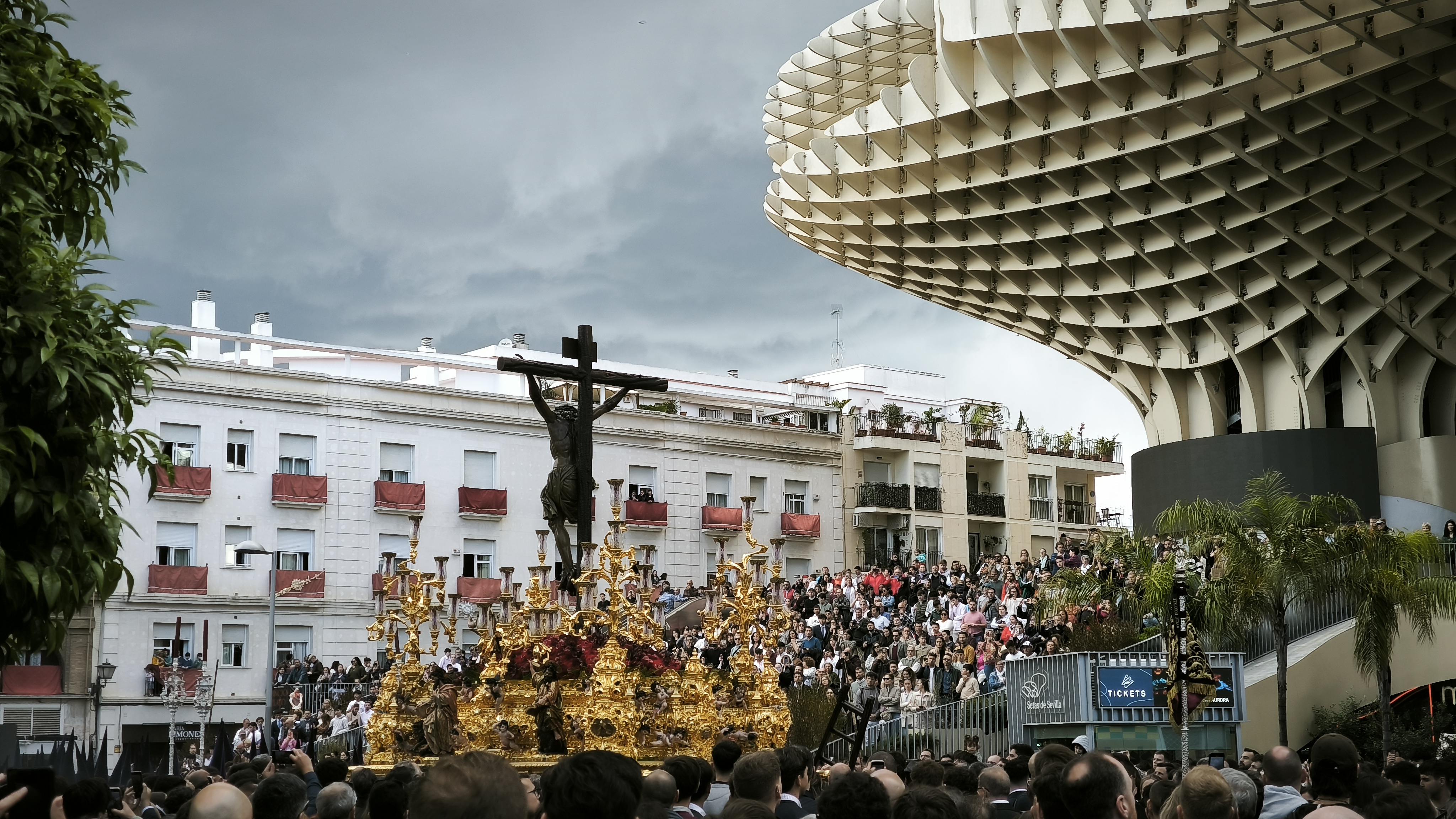
The gathering place in the modern heart of Seville
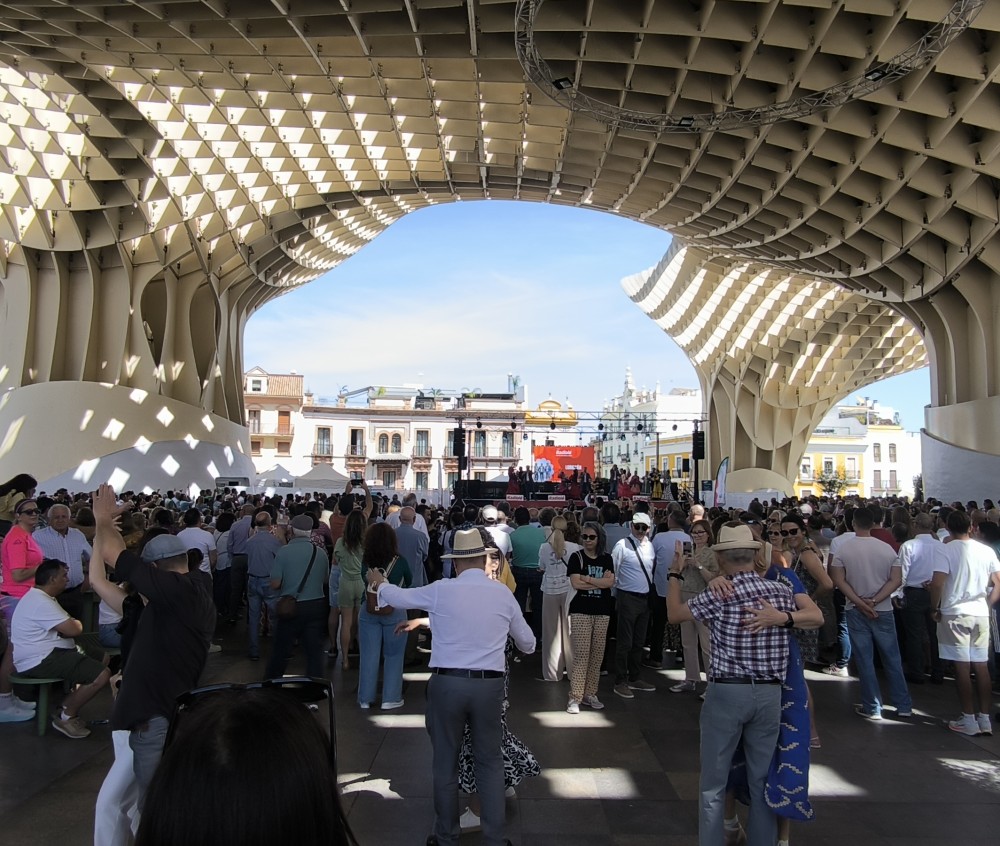
Setas de Sevilla stands in the iconic Plaza de la Encarnación, a revitalized urban space that blends tradition and modernity. This lively square is ideal for enjoying events, leisure and everyday city life in the historic center.
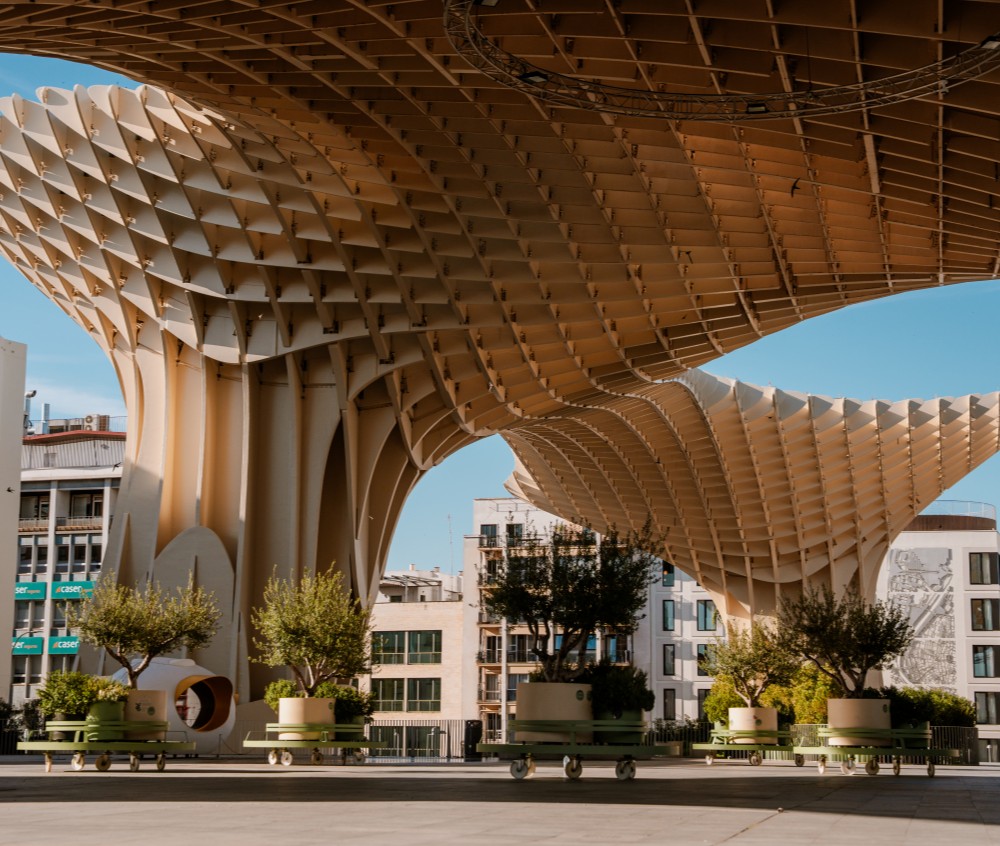
Landscape design: bringing nature into the urban center
The landscape intervention at Setas de Sevilla introduces greenery and comfort into the historic city center. The design incorporates shaded areas, climate-adapted vegetation and rest spaces that enhance urban wellbeing. This landscaping project improves environmental quality while reinforcing the square as a sustainable and welcoming public space.
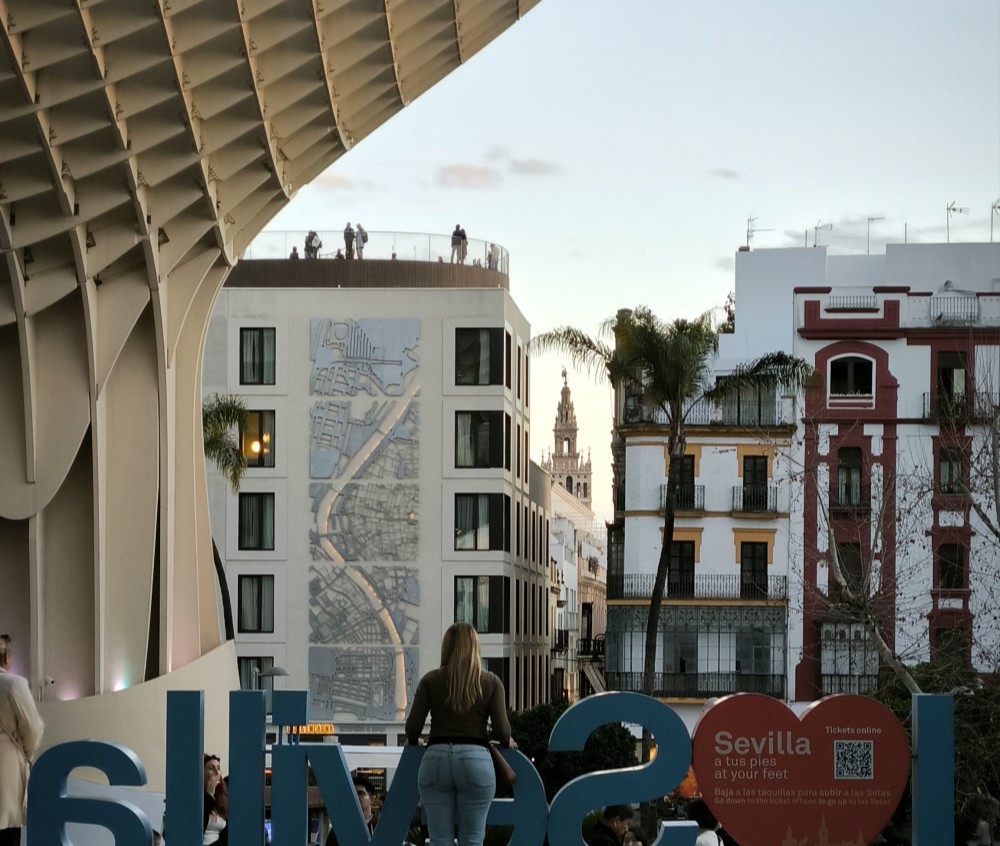


“Aquellos días azules y aquel sol de la infancia”, by Dionisio González
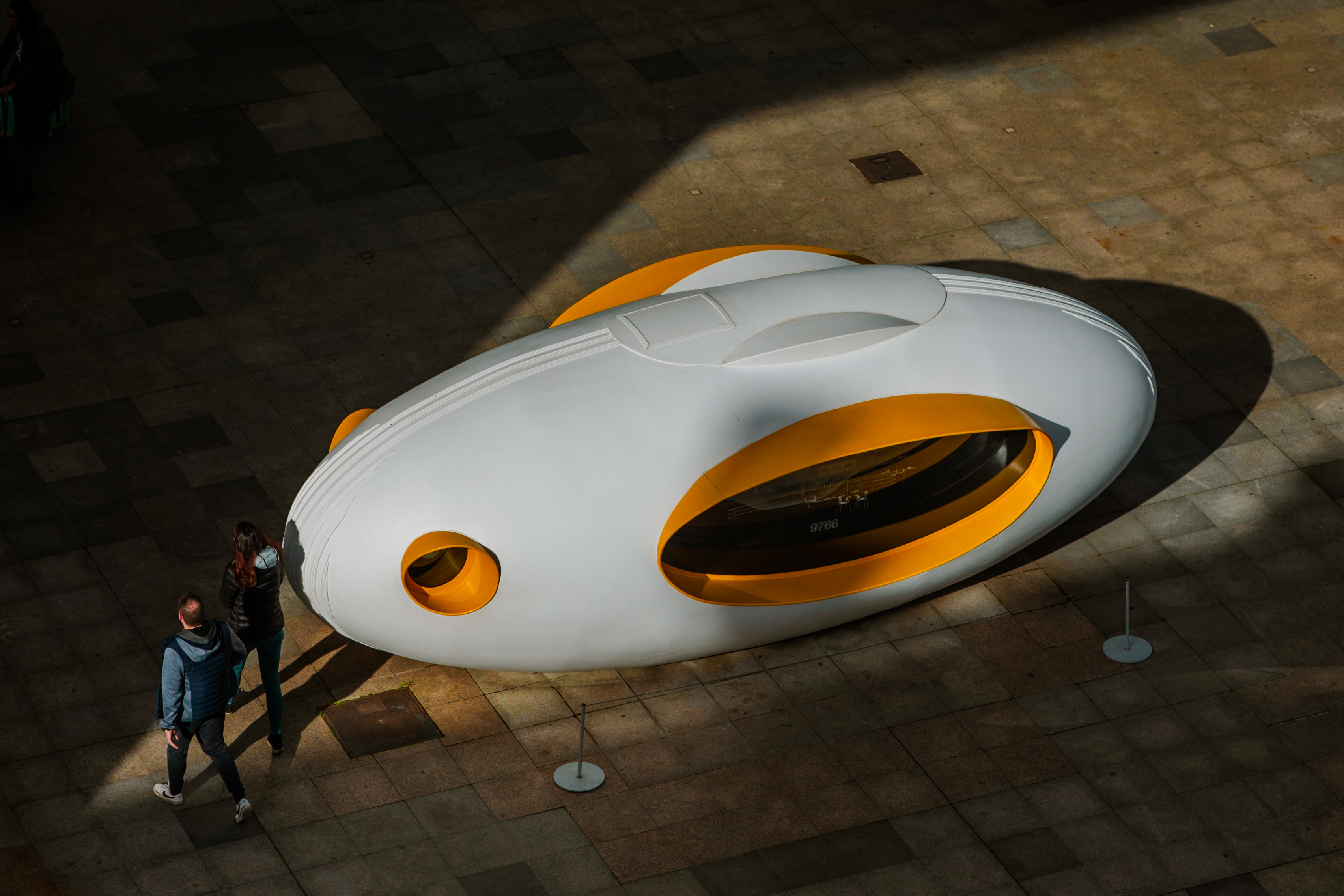
The artwork Aquellos días azules y aquel sol de la infancia by Dionisio González is part of the contemporary artistic program at Setas de Sevilla, bringing together art, architecture and memory within a single space. Its title, inspired by the well-known final lines of Spanish poet Antonio Machado, evokes a reflection on time, identity and the relationship between past and present.
The intervention engages in dialogue with the unique structure of Metropol Parasol and the surrounding urban environment of Plaza de la Encarnación, inviting visitors to pause and reinterpret the space through a poetic and contemporary perspective.
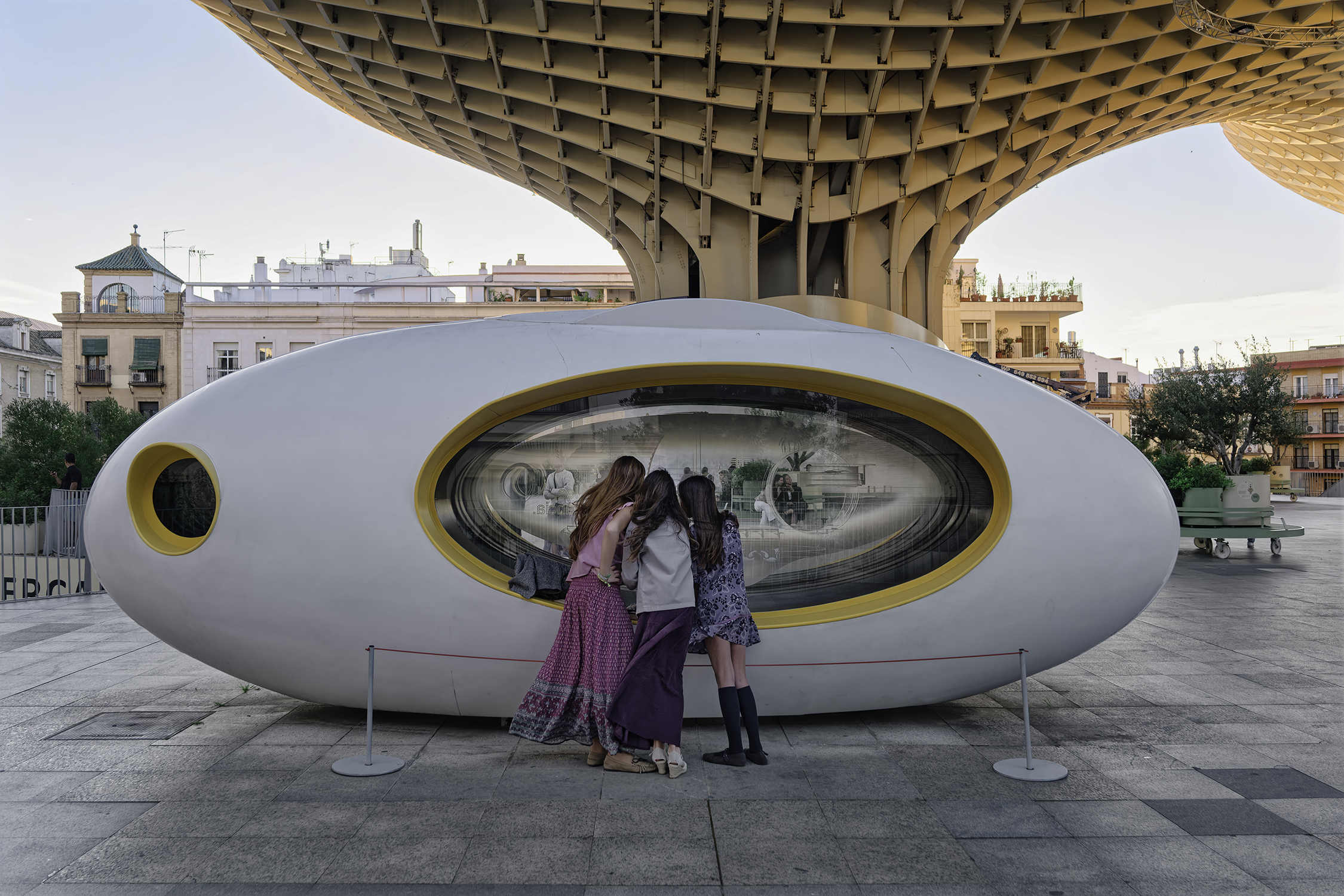
From a technical standpoint, the piece is conceived as a sculptural intervention integrated into the architectural environment, developed using contemporary materials and specific installation solutions that allow it to adapt to the urban context and the conditions of the structure. This integration highlights Setas de Sevilla as a place where art, engineering and urban space coexist in harmony.
Urban refuge for swifts: biodiversity at the Setas de Sevilla
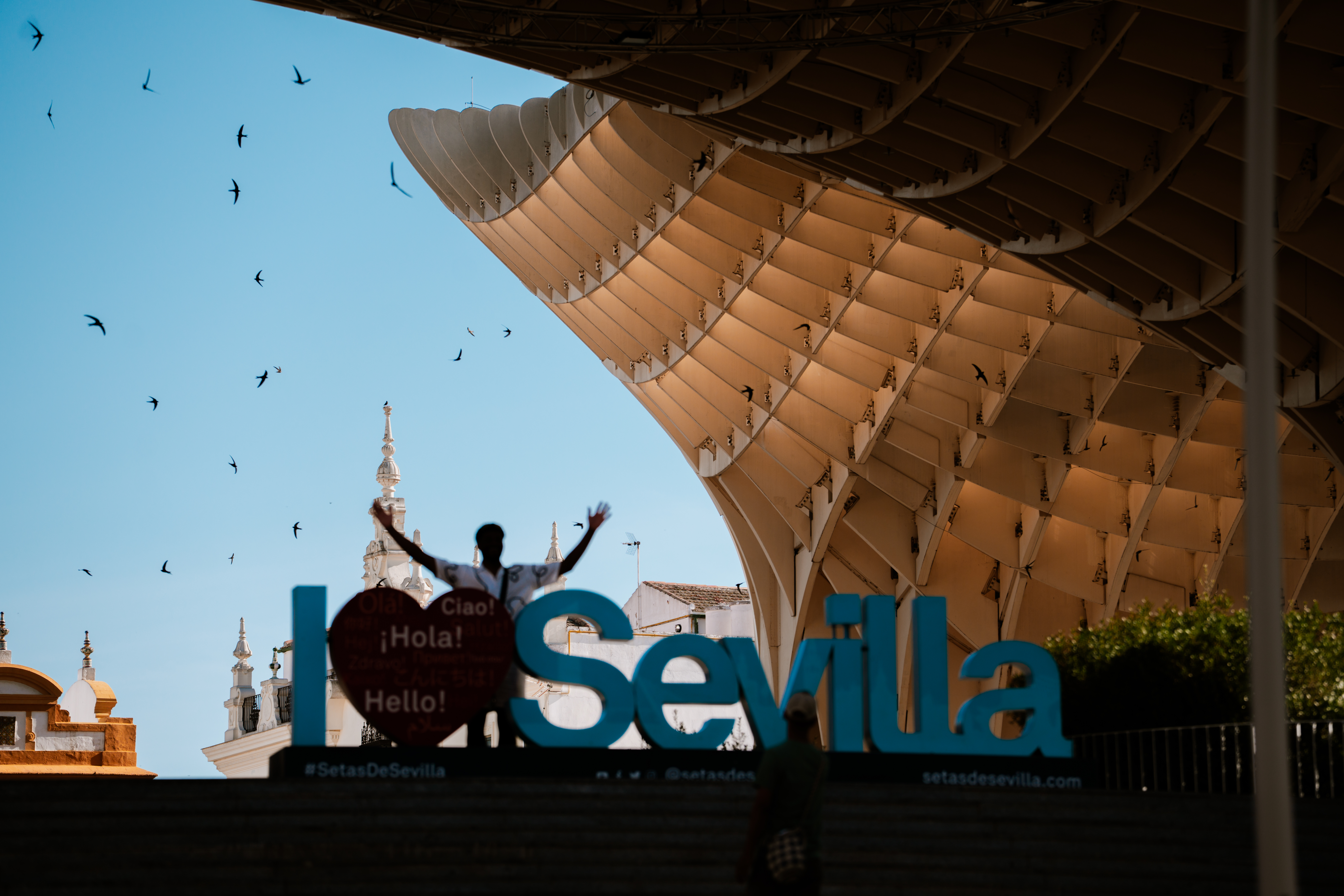
Setas de Sevilla has become one of the most important urban habitats for swifts in Spain, hosting one of the country’s swift colonies. This presence makes the site a leading example of the integration between architecture and biodiversity, supporting the conservation of this protected species and promoting a more sustainable urban model.